Dyslipidaemia
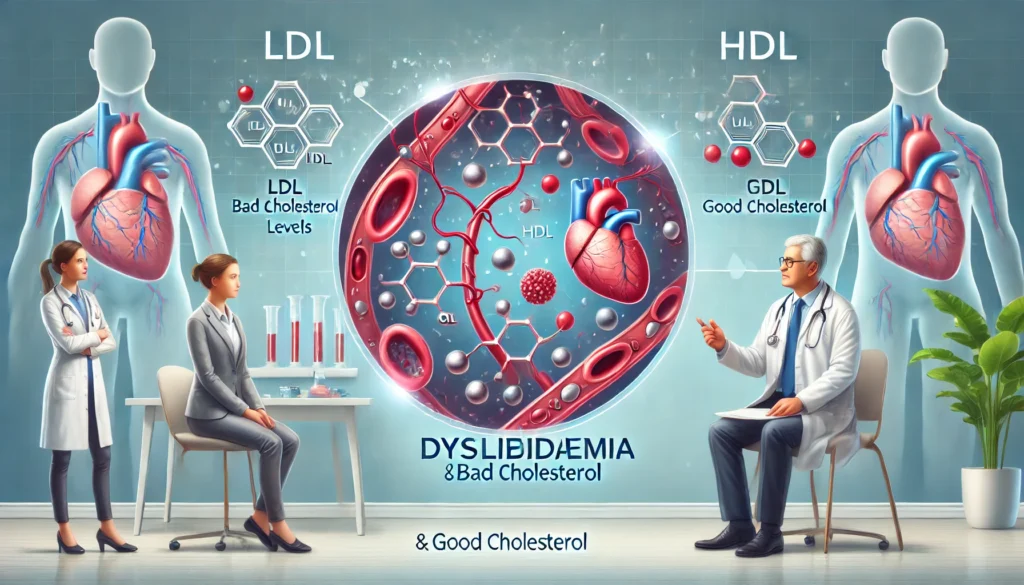
Complete Guide to Dyslipidaemia : Cholesterol & Triglyceride Management Expert dyslipidaemia treatment in Electronic City, Bengaluru. Learn about cholesterol management and heart disease prevention strategies. What is Dyslipidaemia? Dyslipidaemia is a medical condition characterized by abnormal levels of lipids (fats) in the blood, including elevated cholesterol and triglycerides. This condition is a major risk factor for cardiovascular diseases, including heart attacks and strokes. Understanding and managing dyslipidaemia is crucial for maintaining heart health and preventing serious complications. Understanding Cholesterol and Triglycerides Cholesterol and triglycerides are essential fats that your body needs, but when levels become too high, they can cause serious health problems: Types of Cholesterol LDL (Low-Density Lipoprotein): Often called “bad cholesterol” – high levels can lead to plaque buildup in arteries HDL (High-Density Lipoprotein): Known as “good cholesterol” – helps remove LDL from the bloodstream Total Cholesterol: Combined measurement of all cholesterol types Triglycerides Triglycerides are the most common type of fat in your body. High levels are associated with increased risk of heart disease, especially when combined with low HDL or high LDL. Target Levels for Optimal Health The target levels for cholesterol and triglycerides depend on your individual risk factors: LDL Cholesterol Targets Very High Risk: LDL < 70 mg/dL (diabetes, heart disease, or multiple risk factors) High Risk: LDL < 100 mg/dL (family history, smoking, high blood pressure) Moderate Risk: LDL < 130 mg/dL (few or no risk factors) Low Risk: LDL < 160 mg/dL (healthy individuals) Other Lipid Targets HDL Cholesterol: > 40 mg/dL for men, > 50 mg/dL for women Triglycerides: < 150 mg/dL (optimal), < 200 mg/dL (borderline high) Total Cholesterol: < 200 mg/dL Causes and Risk Factors Several factors can contribute to dyslipidaemia: Genetic Factors: Family history of high cholesterol or heart disease Lifestyle Choices: Poor diet, lack of exercise, smoking, excessive alcohol Medical Conditions: Diabetes, hypothyroidism, kidney disease, liver disease Medications: Certain steroids, beta-blockers, diuretics Age and Gender: Risk increases with age; men have higher risk than premenopausal women Lifestyle Modifications for Management Lifestyle changes are the foundation of dyslipidaemia management: 1. Heart-Healthy Diet Mediterranean Diet: Rich in fruits, vegetables, whole grains, nuts, and olive oil Avoid Trans Fats: Found in processed foods, fried foods, and baked goods Limit Saturated Fats: Choose lean proteins and low-fat dairy products Reduce Refined Sugars: Limit sweets, sugary beverages, and processed foods Increase Fiber: Soluble fiber helps lower LDL cholesterol 2. Regular Physical Activity Aerobic Exercise: 30-45 minutes most days of the week Strength Training: 2-3 times per week to build muscle mass Moderate Intensity: Walking, swimming, cycling, or dancing Consistency: Regular exercise is more important than intensity 3. Weight Management Maintaining a healthy weight can significantly improve lipid levels. Even a 5-10% weight loss can have positive effects on cholesterol and triglycerides. 4. Smoking Cessation Smoking lowers HDL cholesterol and damages blood vessels. Quitting smoking can improve HDL levels within weeks. Medical Treatment Options When lifestyle changes alone aren’t sufficient, medications may be necessary: 1. Statins (First-Line Treatment) How They Work: Block an enzyme needed to make cholesterol in the liver Benefits: Lower LDL by 20-60%, reduce heart attack and stroke risk Common Types: Atorvastatin, simvastatin, rosuvastatin, pravastatin Side Effects: Usually mild; may include muscle pain, digestive issues 2. Other Cholesterol-Lowering Medications Ezetimibe: Reduces cholesterol absorption from food PCSK9 Inhibitors: Injectable medications for very high LDL levels Bile Acid Sequestrants: Bind bile acids to remove cholesterol Fibrates: Primarily used for high triglyceride levels 3. Omega-3 Fatty Acids Prescription omega-3 medications can help lower triglycerides when used as advised by your doctor. Monitoring and Follow-up Regular monitoring is essential for effective dyslipidaemia management: Initial Assessment: Comprehensive lipid profile and risk evaluation Treatment Monitoring: Lipid tests every 4-12 weeks when starting medication Long-term Follow-up: Annual lipid profiles for stable patients Risk Assessment: Regular evaluation of cardiovascular risk factors Why Choose Raksha Hospital for Dyslipidaemia Treatment? Expert Lipid Specialists: Cardiologists with specialized training in lipid disorders Comprehensive Care: From diagnosis to long-term management Advanced Diagnostics: State-of-the-art lipid testing and cardiovascular risk assessment Personalized Treatment Plans: Tailored to individual risk factors and preferences Lifestyle Counseling: Dedicated support for diet and exercise modifications Back to Blogs
Cancer Awareness
Understanding Cancer: A Comprehensive Guide Knowledge is power in the fight against cancer. Learn about prevention, early detection, and treatment options. What is Cancer? Cancer is a complex group of diseases characterized by the uncontrolled growth and spread of abnormal cells. These cells can invade and destroy healthy tissue, potentially spreading to other parts of the body through a process called metastasis. Understanding cancer begins with recognizing that it’s not a single disease but hundreds of different conditions, each with unique characteristics and treatment approaches. How Cancer Develops Cancer typically develops when normal cells undergo genetic mutations that cause them to grow and divide uncontrollably. These mutations can be inherited, caused by environmental factors, or occur randomly during cell division. The body’s immune system usually detects and destroys these abnormal cells, but sometimes they evade detection and continue to multiply. Common Types of Cancer Different types of cancer affect various organs and systems in the body. Understanding the most common types helps in recognizing symptoms and seeking appropriate care. Breast Cancer Breast cancer is the most common cancer in women worldwide, though it can also affect men. It typically begins in the milk ducts or lobules of the breast. Early detection through regular mammograms and self-examinations significantly improves treatment outcomes. Lung Cancer Lung cancer is strongly associated with smoking and environmental factors like air pollution and occupational exposure to carcinogens. It’s one of the leading causes of cancer-related deaths globally, but early detection can improve survival rates. Colorectal Cancer Colorectal cancer affects the colon and rectum, often developing from precancerous polyps. Regular screening through colonoscopies can detect and remove these polyps before they become cancerous, making it one of the most preventable cancers. Prostate Cancer Prostate cancer is common in men over 50 and typically grows slowly. Regular prostate-specific antigen (PSA) testing and digital rectal examinations help in early detection and monitoring. Skin Cancer Skin cancer includes melanoma and non-melanoma types. Melanoma is more aggressive but less common, while basal cell and squamous cell carcinomas are more common but usually less aggressive. Sun protection and regular skin examinations are crucial for prevention. Understanding Risk Factors Cancer risk factors can be categorized into modifiable and non-modifiable factors. Understanding these helps in making informed decisions about prevention and screening. Non-Modifiable Risk Factors Age: Cancer risk increases with age as cells accumulate more mutations over time Family History: Inherited genetic mutations can significantly increase cancer risk Genetic Syndromes: Conditions like BRCA mutations, Lynch syndrome, and others Race and Ethnicity: Some cancers are more common in certain populations Modifiable Risk Factors Lifestyle Choices: Smoking, excessive alcohol consumption, poor diet Physical Activity: Sedentary lifestyle increases risk for several cancers Environmental Exposures: UV radiation, air pollution, workplace carcinogens Infections: HPV, hepatitis B and C, H. pylori, and others Obesity: Linked to increased risk of multiple cancer types Prevention Strategies While not all cancers can be prevented, adopting healthy lifestyle habits can significantly reduce your risk. Prevention strategies focus on reducing exposure to known risk factors and promoting overall health. Lifestyle Modifications Quit Smoking: Smoking is linked to multiple cancer types and quitting reduces risk over time Limit Alcohol: Moderate alcohol consumption or abstinence reduces cancer risk Maintain Healthy Weight: Regular exercise and balanced diet help maintain healthy body weight Protect Against Sun: Use sunscreen, wear protective clothing, and avoid peak sun hours Safe Sex Practices: Reduce risk of HPV and other cancer-causing infections Dietary Recommendations Eat plenty of fruits, vegetables, and whole grains Limit processed meats and red meat consumption Choose lean proteins and healthy fats Stay hydrated and limit sugary beverages Consider Mediterranean or plant-based diet patterns Early Detection and Screening Early detection is crucial for successful cancer treatment. Regular screening tests can detect cancer before symptoms appear, when treatment is most effective. Recommended Screening Tests Breast Cancer: Mammograms starting at age 40-50, clinical breast exams Cervical Cancer: Pap smears and HPV testing every 3-5 years Colorectal Cancer: Colonoscopy every 10 years starting at age 45-50 Prostate Cancer: PSA testing and digital rectal exams for men over 50 Skin Cancer: Regular skin examinations by healthcare providers Recognizing Warning Signs While screening is important, being aware of potential cancer symptoms helps in early detection: Unexplained weight loss or gain Persistent fatigue and weakness Unusual bleeding or discharge Changes in bowel or bladder habits Persistent cough or hoarseness Changes in skin appearance or moles Lumps or swelling in any part of the body Difficulty swallowing or persistent indigestion Treatment Options Cancer treatment has evolved significantly, offering patients more options and better outcomes than ever before. Treatment plans are personalized based on cancer type, stage, location, and individual health factors. Surgery Surgery remains a primary treatment for many cancers, especially when the tumor is localized. Surgical procedures can be curative, diagnostic, or palliative, depending on the cancer stage and goals of treatment. Chemotherapy Chemotherapy uses drugs to kill cancer cells or stop their growth. It can be administered orally, intravenously, or through other routes. While effective, chemotherapy can cause side effects due to its effects on healthy cells. Radiation Therapy Radiation therapy uses high-energy particles or waves to destroy cancer cells. It can be external (from outside the body) or internal (brachytherapy). Modern techniques allow precise targeting to minimize damage to healthy tissue. Immunotherapy Immunotherapy harnesses the body’s immune system to fight cancer. It includes treatments like checkpoint inhibitors, CAR-T cell therapy, and cancer vaccines. This approach has revolutionized treatment for several cancer types. Targeted Therapy Targeted therapy uses drugs that specifically target cancer cells based on their genetic makeup or other characteristics. This approach often causes fewer side effects than traditional chemotherapy. Supportive Care and Quality of Life Cancer treatment involves more than just attacking the disease. Comprehensive care includes managing symptoms, side effects, and supporting patients’ physical, emotional, and social well-being. Symptom Management Pain management through medications and complementary therapies Nausea and vomiting control during chemotherapy Fatigue management through activity planning and rest strategies Nutritional support to maintain strength and energy Emotional and Psychological Support Cancer diagnosis and treatment can be emotionally challenging. Support services include: Individual and family counseling Support groups for patients
Child Health
Complete Guide to Child Health & Development Expert guidance on growth milestones, nutrition, and immunization for your child’s healthy future. Understanding Child Growth & Development Child development is a complex journey that encompasses physical, cognitive, emotional, and social growth. Every child develops at their own pace, but understanding typical milestones helps parents and caregivers identify potential concerns early and provide appropriate support. Physical Development Milestones Physical development includes motor skills, coordination, and body growth. Here are key milestones to track: 0-3 months: Lifts head, follows objects with eyes, brings hands to mouth 3-6 months: Rolls over, sits with support, reaches for objects 6-12 months: Crawls, pulls to stand, takes first steps 12-24 months: Walks independently, climbs stairs, runs 2-5 years: Jumps, hops, throws ball, draws shapes Cognitive Development Cognitive development involves thinking, learning, and problem-solving abilities: Language: Babbling, first words, simple sentences, storytelling Memory: Object permanence, recall of events, learning from experience Problem-solving: Figuring out how toys work, finding hidden objects Imagination: Pretend play, creative thinking, role-playing Essential Nutrition for Growing Children Proper nutrition is the foundation of healthy growth and development. Children need a balanced diet rich in essential nutrients to support their rapid growth and active lifestyle. Breastfeeding and Early Nutrition Breastfeeding provides the ideal nutrition for infants during the first 6 months of life. Breast milk contains antibodies that help protect against infections and provides all necessary nutrients for healthy growth. Introducing Solid Foods Around 6 months, children begin to show signs of readiness for solid foods. Start with iron-rich foods like fortified cereals, pureed meats, and legumes. Gradually introduce a variety of fruits, vegetables, and whole grains. Key Nutrients for Children Protein: Essential for growth and muscle development Iron: Prevents anemia and supports brain development Calcium: Builds strong bones and teeth Vitamin D: Helps absorb calcium and supports immune function Omega-3 fatty acids: Supports brain and eye development Healthy Eating Habits Establishing healthy eating patterns early sets the foundation for lifelong wellness: Offer regular meals and snacks at consistent times Include a variety of colorful fruits and vegetables Limit sugary drinks and processed foods Encourage family meals and positive food experiences Be a role model for healthy eating Comprehensive Immunization Schedule Vaccines are one of the most effective ways to protect children from serious diseases. Following the recommended immunization schedule ensures your child receives protection at the optimal time. Birth to 2 Years Birth: Hepatitis B (HepB) 2 months: DTaP, Hib, PCV13, Rotavirus, IPV 4 months: DTaP, Hib, PCV13, Rotavirus, IPV 6 months: DTaP, Hib, PCV13, Rotavirus, IPV, Influenza 12 months: MMR, Varicella, HepA 15-18 months: DTaP, Hib, PCV13 Preschool and School Age 4-6 years: DTaP, IPV, MMR, Varicella 11-12 years: Tdap, HPV, Meningococcal 16-18 years: Meningococcal B Why Vaccination Matters Vaccines protect not only your child but also others in the community. They prevent outbreaks of serious diseases and have saved millions of lives worldwide. Modern vaccines are safe and undergo rigorous testing before approval. When to Seek Medical Attention While every child develops differently, certain signs may indicate the need for medical evaluation: Developmental Concerns Not reaching age-appropriate milestones Loss of previously acquired skills Significant delays in speech or motor development Behavioral changes or regression Nutritional Issues Poor weight gain or excessive weight loss Refusal to eat or drink Persistent vomiting or diarrhea Signs of food allergies or intolerances Emergency Warning Signs High fever (above 103°F/39.4°C) Difficulty breathing or rapid breathing Severe dehydration symptoms Unusual behavior or extreme lethargy Severe pain or injury Why Choose Raksha Hospital for Pediatric Care At Raksha Hospital, we understand that children are not just small adults. Our pediatric team provides specialized care tailored to the unique needs of growing children and their families. Our Pediatric Services Well-child visits and developmental screenings Immunization services and vaccine counseling Nutritional assessment and guidance Growth monitoring and milestone tracking Treatment for common childhood illnesses Emergency pediatric care Child-Friendly Environment We’ve created a welcoming environment that helps children feel comfortable during medical visits. Our staff is trained in child-friendly communication and our facilities are designed with children’s needs in mind. Back to Blogs
Congenital Heart Disease
Complete Guide to Congenital Heart Disease : Detection, Treatment & Care Expert congenital heart disease treatment in Electronic City, Bengaluru. Early detection and advanced treatments for children with CHD. What is Congenital Heart Disease (CHD)? Congenital Heart Disease (CHD) refers to heart defects that are present at birth. These structural abnormalities in the heart can affect the heart’s walls, valves, arteries, and veins, disrupting normal blood flow. CHD is the most common type of birth defect, affecting approximately 1 in every 100 newborns worldwide. Early Detection and Diagnosis Early detection of CHD is crucial for better outcomes. At Raksha Hospital, we use advanced diagnostic techniques: Newborn Pulse Oximetry: Non-invasive screening test to detect low oxygen levels Pediatric Checkups: Regular monitoring of heart sounds and growth Echocardiography: Ultrasound imaging of the heart structure and function Electrocardiogram (ECG): Records electrical activity of the heart Chest X-ray: Shows heart size and lung condition Cardiac MRI: Detailed 3D images of the heart Common Types of Congenital Heart Defects CHD can be classified into several categories based on the type and complexity of the defect: 1. Simple Defects (Acyanotic) Atrial Septal Defect (ASD): Hole in the wall between the heart’s upper chambers Ventricular Septal Defect (VSD): Hole in the wall between the heart’s lower chambers Patent Ductus Arteriosus (PDA): Blood vessel that should close after birth remains open Pulmonary Stenosis: Narrowing of the pulmonary valve 2. Complex Defects (Cyanotic) Tetralogy of Fallot: Combination of four heart defects Transposition of Great Arteries: Major blood vessels are switched Tricuspid Atresia: Missing tricuspid valve Hypoplastic Left Heart Syndrome: Underdeveloped left side of the heart Signs and Symptoms in Children Parents should watch for these signs that may indicate CHD: In newborns: Rapid breathing, bluish skin color, poor feeding, slow weight gain In infants: Fatigue during feeding, sweating, rapid breathing In older children: Shortness of breath during physical activity, fainting, chest pain General symptoms: Poor growth, frequent respiratory infections, fatigue Advanced Treatment Options At Raksha Hospital, we offer comprehensive treatment approaches for CHD: 1. Non-Surgical Interventions Catheter Procedures: Minimally invasive techniques to repair defects Balloon Valvuloplasty: Widening narrow heart valves Device Closure: Closing holes in the heart with special devices Stent Placement: Opening narrow blood vessels 2. Surgical Procedures Open Heart Surgery: Traditional surgery for complex defects Minimally Invasive Surgery: Smaller incisions for faster recovery Heart Transplant: For severe cases where repair isn’t possible Hybrid Procedures: Combination of surgery and catheter techniques 3. Medical Management Medications: To improve heart function and manage symptoms Lifestyle Modifications: Diet and exercise recommendations Regular Monitoring: Ongoing care and follow-up appointments Long-term Care and Follow-up Children with CHD require lifelong care and monitoring: Regular Checkups: Ongoing monitoring of heart function Medication Management: Ensuring proper dosage and timing Activity Guidelines: Safe exercise and sports participation Dental Care: Special precautions for dental procedures Emotional Support: Counseling for children and families Why Choose Raksha Hospital for CHD Treatment? Expert Pediatric Cardiologists: Specialists with extensive CHD experience Advanced Diagnostic Equipment: Latest technology for accurate diagnosis Multidisciplinary Team: Cardiologists, surgeons, and specialists working together Family-Centered Care: Supporting both children and parents throughout treatment 24/7 Emergency Services: Immediate care when complications arise Back to Blogs
Exercise & Heart
Exercise & Heart Safe and effective workouts to strengthen your cardiovascular system and improve overall fitness. Why Exercise is Essential for Heart Health Regular physical activity is one of the most effective ways to maintain a healthy heart. Exercise strengthens your heart muscle, improves blood circulation, and helps manage risk factors for heart disease. At Raksha Hospital, we emphasize the importance of safe, structured exercise programs tailored to individual health needs. Three Pillars of Heart-Healthy Exercise 🏃♂️ Aerobic Exercise (Cardio) Aerobic exercises increase your heart rate and breathing, strengthening your heart and lungs. These activities improve cardiovascular endurance and help burn calories. Walking: Start with 30 minutes daily, gradually increasing pace and duration Cycling: Low-impact option that’s easy on joints Swimming: Full-body workout that’s gentle on the heart Dancing: Fun way to get cardio while improving coordination Recommended: 150 minutes of moderate-intensity or 75 minutes of vigorous-intensity aerobic activity per week. 💪 Strength Training Building muscle mass helps your body work more efficiently and can improve heart health by reducing body fat and improving metabolism. Bodyweight exercises: Push-ups, squats, lunges, planks Resistance bands: Portable and safe for beginners Light weights: Dumbbells or kettlebells for progressive resistance Yoga: Improves flexibility and core strength Recommended: 2-3 sessions per week, focusing on major muscle groups. 🧘♀️ Flexibility & Balance Flexibility exercises improve range of motion and reduce injury risk, while balance exercises help prevent falls, especially important as we age. Stretching: Gentle stretches for major muscle groups Tai Chi: Slow, controlled movements that improve balance Pilates: Core strengthening with focus on control and precision Balance exercises: Standing on one leg, heel-to-toe walking Recommended: 2-3 sessions per week, holding stretches for 15-30 seconds. Safe Exercise Guidelines for Heart Health 🚨 Before Starting Consult your doctor, especially if you have heart conditions Start slowly and gradually increase intensity Warm up for 5-10 minutes before exercise Stay hydrated throughout your workout ✅ During Exercise Monitor your heart rate and breathing Stop if you experience chest pain or dizziness Maintain proper form to prevent injury Listen to your body’s signals 🔄 After Exercise Cool down with gentle stretching Gradually reduce intensity Rehydrate and refuel appropriately Monitor for any unusual symptoms Tailored Exercise Programs At Raksha Hospital, we offer personalized exercise programs designed by our cardiac rehabilitation specialists. These programs are tailored to your specific health needs, fitness level, and medical history. 🎯 Personalized Assessment Comprehensive evaluation of your current fitness level, medical history, and heart health status. 📋 Customized Plans Exercise routines specifically designed for your needs, whether you’re recovering from heart surgery or preventing heart disease. 👨⚕️ Medical Supervision Ongoing monitoring and adjustment of your exercise program by cardiac specialists. 📱 Progress Tracking Regular assessments to track improvements in cardiovascular fitness and overall health. When to Stop Exercising While exercise is generally safe and beneficial, it’s important to recognize warning signs that indicate you should stop exercising and seek medical attention: 🚨 Stop Immediately Chest pain or pressure Severe shortness of breath Dizziness or lightheadedness Irregular heartbeat Nausea or vomiting ⚠️ Slow Down Mild shortness of breath Fatigue that doesn’t improve Muscle or joint pain Excessive sweating Feeling unusually tired Success Stories Our cardiac rehabilitation program has helped numerous patients improve their heart health through safe, structured exercise. Here are some inspiring examples: “After my heart surgery, I was afraid to exercise. The team at Raksha Hospital created a safe, gradual program that helped me regain my strength and confidence. Now I walk 5 kilometers daily and feel better than ever!” – Mr. Rajesh, 58 “The personalized exercise program helped me manage my blood pressure and cholesterol naturally. I’ve lost 15 kg and my doctor is amazed at my improvement!” – Mrs. Lakshmi, 52 Start Your Heart-Healthy Exercise Journey Ready to improve your heart health through safe, effective exercise? Our cardiac specialists are here to help you create a personalized fitness plan that fits your lifestyle and health goals. Back to Blogs
Kidney Stones
Complete Guide to Kidney Stones : Symptoms, Treatment & Prevention Expert kidney stone treatment in Electronic City, Bengaluru. Learn about advanced procedures and prevention strategies. What Are Kidney Stones? Kidney stones are hard deposits of minerals and salts that form inside your kidneys. They can affect any part of your urinary tract — from your kidneys to your bladder. Often, stones form when the urine becomes concentrated, allowing minerals to crystallize and stick together. Common Symptoms of Kidney Stones Severe flank pain: Intense pain in the side and back, below the ribs Pain radiating to lower abdomen and groin: Pain that comes in waves and fluctuates in intensity Blood in urine: Pink, red, or brown urine Nausea and vomiting: Due to severe pain Urinary urgency: Persistent need to urinate Painful urination: Burning sensation when urinating Fever and chills: If an infection is present Causes and Risk Factors Several factors can increase your risk of developing kidney stones: Dehydration: Not drinking enough water Diet: High protein, sodium, and sugar intake Obesity: High body mass index (BMI) Medical conditions: Hyperparathyroidism, renal tubular acidosis Family history: Genetic predisposition Certain medications: Diuretics, calcium-based antacids Prevention Strategies Preventing kidney stones involves lifestyle changes and dietary modifications: Stay hydrated: Drink 2-3 liters of water daily Limit salt intake: Reduce sodium consumption to less than 2,300mg per day Moderate protein: Limit animal protein intake Calcium-rich foods: Include dairy products in moderation Limit oxalate-rich foods: Spinach, nuts, chocolate, tea Maintain healthy weight: Regular exercise and balanced diet Advanced Treatment Options At Raksha Hospital, we offer state-of-the-art kidney stone treatments: 1. Extracorporeal Shock Wave Lithotripsy (ESWL) Non-invasive procedure using sound waves to break stones into smaller pieces that can pass naturally through urine. 2. Ureteroscopy with Laser Lithotripsy Minimally invasive procedure using a thin scope and laser to break and remove stones from the ureter or kidney. 3. Percutaneous Nephrolithotomy (PCNL) Surgical procedure for large stones, involving a small incision in the back to access and remove stones directly. 4. Medical Therapy Medications to help pass small stones and prevent new ones from forming. Why Choose Raksha Hospital for Kidney Stone Treatment? Expert Urologists: Experienced specialists with advanced training Advanced Technology: Latest equipment for precise diagnosis and treatment Comprehensive Care: From diagnosis to follow-up care Patient-Centered Approach: Personalized treatment plans 24/7 Emergency Services: Immediate care when you need it most When to Seek Medical Attention Seek immediate medical care if you experience: Severe pain that prevents you from sitting still or finding a comfortable position Pain accompanied by nausea and vomiting Pain accompanied by fever and chills Blood in your urine Difficulty passing urine Back to Blogs
Prostatitis
Complete Guide to Prostatitis : Prostate Inflammation Treatment Expert prostatitis treatment in Electronic City, Bengaluru. Learn about causes, symptoms, and advanced treatment options for prostate inflammation. What is Prostatitis? Prostatitis is the inflammation of the prostate gland, a walnut-sized organ located below the bladder in men. This condition can cause significant discomfort and affect urinary function. Prostatitis can occur at any age but is most common in men under 50. Understanding the different types and causes is crucial for effective treatment. Types of Prostatitis There are four main categories of prostatitis, each with different causes and treatment approaches: 1. Acute Bacterial Prostatitis Cause: Bacterial infection, often from urinary tract Onset: Sudden and severe symptoms Duration: Short-term, requires immediate treatment Risk Factors: Recent urinary catheterization, urinary tract infections 2. Chronic Bacterial Prostatitis Cause: Recurring bacterial infections Onset: Gradual, persistent symptoms Duration: Long-term, may require extended treatment Complications: Can lead to urinary tract infections 3. Chronic Prostatitis/Chronic Pelvic Pain Syndrome (CP/CPPS) Cause: Non-bacterial, often inflammatory or neuromuscular Onset: Gradual, persistent symptoms Duration: Long-term, may be difficult to treat Prevalence: Most common type of prostatitis 4. Asymptomatic Inflammatory Prostatitis Cause: Inflammation without symptoms Detection: Found during medical examinations Treatment: Usually not required unless symptoms develop Common Symptoms of Prostatitis The symptoms of prostatitis can vary depending on the type and severity: Urinary Symptoms Burning Urination: Pain or discomfort during urination Frequent Urination: Need to urinate more often than usual Urgency: Sudden, strong need to urinate Difficulty Starting: Trouble beginning urination Weak Stream: Reduced urine flow Incomplete Emptying: Feeling that bladder isn’t fully empty Pelvic and Genital Symptoms Pelvic Pain: Discomfort in the lower abdomen, groin, or perineum Testicular Pain: Pain in the testicles Rectal Pain: Discomfort in the rectal area Painful Ejaculation: Discomfort during or after ejaculation Systemic Symptoms (Acute Bacterial Prostatitis) Fever and Chills: High temperature with shivering Fatigue: General feeling of tiredness Body Aches: Muscle and joint pain Nausea: Feeling sick to the stomach Causes and Risk Factors Understanding the causes helps in prevention and treatment: Bacterial Causes E. coli: Most common bacterial cause Other Bacteria: Klebsiella, Proteus, Enterococcus Sexually Transmitted: Chlamydia, gonorrhea Urinary Tract Infections: Bacteria spreading from bladder Non-Bacterial Causes Autoimmune Response: Body attacking its own tissues Nerve Damage: Pelvic nerve dysfunction Muscle Spasms: Pelvic floor muscle problems Stress: Emotional stress affecting pelvic muscles Risk Factors Age: More common in men under 50 Recent Infections: Urinary tract or sexually transmitted Medical Procedures: Catheterization, prostate biopsy Trauma: Injury to the pelvic area Dehydration: Not drinking enough fluids Diagnosis and Testing Accurate diagnosis is essential for effective treatment: Medical History and Physical Examination Patient History: Symptoms, duration, previous infections Digital Rectal Exam: Prostate examination for tenderness, size Abdominal Examination: Checking for bladder tenderness Laboratory Tests Urine Analysis: Checking for bacteria, white blood cells Urine Culture: Identifying specific bacteria Blood Tests: Complete blood count, PSA levels Prostate Fluid Culture: Collecting and testing prostate secretions Imaging Studies Ultrasound: Transrectal or abdominal imaging CT Scan: Detailed pelvic imaging MRI: High-resolution prostate imaging Treatment Options Treatment depends on the type and cause of prostatitis: 1. Antibiotic Therapy Acute Bacterial: 2-4 weeks of antibiotics Chronic Bacterial: 4-12 weeks of antibiotics Common Antibiotics: Ciprofloxacin, levofloxacin, doxycycline Intravenous: Severe cases may require IV antibiotics 2. Anti-Inflammatory Medications NSAIDs: Ibuprofen, naproxen for pain and inflammation Alpha-Blockers: Tamsulosin, alfuzosin for urinary symptoms Muscle Relaxants: Diazepam for pelvic muscle spasms 3. Pain Management Pain Medications: Acetaminophen, prescription pain relievers Topical Treatments: Heat therapy, warm baths Physical Therapy: Pelvic floor exercises and massage 4. Lifestyle Modifications Hydration: Drink plenty of fluids Dietary Changes: Avoid spicy foods, caffeine, alcohol Exercise: Regular physical activity, pelvic floor exercises Stress Management: Relaxation techniques, counseling Home Remedies and Self-Care Several home treatments can help manage symptoms: Warm Baths: Sitz baths to relieve pelvic pain Heat Therapy: Heating pad on lower abdomen Hydration: Drink 8-10 glasses of water daily Dietary Modifications: Avoid bladder irritants Regular Urination: Don’t hold urine for long periods When to Seek Medical Attention Seek immediate medical care if you experience: High fever (above 101°F/38.3°C) Severe pelvic pain Difficulty urinating or complete inability to urinate Blood in urine Severe symptoms that don’t improve with home treatment Prevention Strategies While not all cases can be prevented, these strategies help reduce risk: Good Hygiene: Regular cleaning of genital area Safe Sex: Use protection to prevent STIs Hydration: Maintain adequate fluid intake Regular Exercise: Keep pelvic muscles strong Stress Management: Practice relaxation techniques Why Choose Raksha Hospital for Prostatitis Treatment? Expert Urologists: Specialists with extensive experience in prostate conditions Advanced Diagnostics: State-of-the-art testing and imaging facilities Comprehensive Care: From diagnosis to long-term management Personalized Treatment: Tailored to individual symptoms and causes Follow-up Care: Ongoing monitoring and support Back to Blogs
Stress Management
Stress Management Learn effective techniques to reduce stress, protect your heart, and improve your overall mental and physical well-being. Understanding Stress and Its Impact on Health Stress is your body’s natural response to challenges and demands. While some stress can be motivating, chronic stress can have serious consequences for your physical and mental health. At Raksha Hospital, we emphasize the importance of effective stress management as a cornerstone of preventive healthcare. What is Stress? Stress is your body’s way of responding to any kind of demand or threat. When you sense danger, your body’s defenses kick into high gear in a rapid, automatic process known as the “fight-or-flight” reaction. ✅ Positive Stress (Eustress) Short-term stress that can be motivating and energizing: Meeting deadlines at work Preparing for important events Physical exercise Learning new skills ❌ Negative Stress (Distress) Chronic stress that can be harmful to health: Ongoing work pressure Financial difficulties Relationship problems Health concerns How Stress Affects Your Health Chronic stress can impact nearly every system in your body, leading to serious health problems: 🫀 Cardiovascular System Increased heart rate and blood pressure Higher risk of heart disease and stroke Elevated cholesterol levels Increased inflammation in blood vessels 🛡️ Immune System Weakened immune response Increased susceptibility to infections Slower wound healing Chronic inflammation 🫁 Digestive System Stomach ulcers and acid reflux Irritable bowel syndrome (IBS) Changes in appetite and eating habits Nausea and stomach pain 🧠 Mental Health Anxiety and depression Sleep problems and insomnia Difficulty concentrating Memory problems Effective Stress Management Techniques Managing stress effectively involves a combination of techniques that work for your lifestyle and preferences: 🧘♀️ Relaxation Techniques Simple yet powerful methods to calm your mind and body: Deep Breathing: 4-7-8 breathing technique for instant calm Progressive Muscle Relaxation: Tense and release muscle groups Guided Imagery: Visualize peaceful, calming scenes Mindfulness Meditation: Focus on present moment awareness Yoga and Tai Chi: Gentle movement with breathing 🏃♂️ Physical Activity Exercise is one of the most effective stress relievers: Aerobic Exercise: Walking, running, cycling for 30 minutes daily Strength Training: Builds resilience and confidence Dance and Movement: Fun ways to release tension Nature Walks: Combine exercise with outdoor therapy Team Sports: Social interaction plus physical activity 😴 Sleep and Rest Quality sleep is essential for stress management: Sleep Hygiene: Consistent bedtime routine 7-9 Hours: Aim for adequate sleep duration Power Naps: 20-minute rest periods during the day Digital Detox: Avoid screens before bedtime Comfortable Environment: Cool, dark, quiet bedroom Lifestyle Changes for Stress Management Small changes in daily habits can make a big difference in managing stress: 🥗 Nutrition Balanced Diet: Include fruits, vegetables, whole grains, and lean proteins Omega-3 Fatty Acids: Found in fish, nuts, and seeds Limit Caffeine: Reduce coffee, tea, and energy drinks Stay Hydrated: Drink plenty of water throughout the day Regular Meals: Don’t skip meals, especially breakfast 🚭 Healthy Habits Quit Smoking: Smoking increases stress and anxiety Limit Alcohol: Alcohol can worsen stress symptoms Time Management: Prioritize tasks and set realistic goals Learn to Say No: Don’t overcommit yourself Take Breaks: Regular short breaks during work 👥 Social Support Connect with Others: Spend time with family and friends Join Groups: Participate in community activities Seek Professional Help: Talk to counselors or therapists Volunteer: Helping others can reduce your own stress Pet Therapy: Animals can provide comfort and companionship When to Seek Professional Help While many stress management techniques can be practiced at home, certain situations require professional intervention: 🚨 Seek Immediate Help Thoughts of self-harm or suicide Severe anxiety or panic attacks Inability to function at work or home Substance abuse to cope with stress Physical symptoms that don’t improve 📞 Consider Professional Support Stress affecting daily life for weeks Difficulty sleeping for extended periods Changes in appetite or weight Withdrawal from social activities Feeling overwhelmed and unable to cope Success Stories: Managing Stress Effectively Our patients have successfully managed stress and improved their health: “I was constantly stressed from work and it was affecting my blood pressure. The stress management program at Raksha Hospital taught me techniques I use daily. My BP is now normal and I feel much more in control.” – Mr. Sharma, 48 “Learning to manage stress has transformed my life. I sleep better, have more energy, and my relationships have improved. The techniques are simple but incredibly effective.” – Mrs. Patel, 52 Take Control of Your Stress Today Effective stress management is essential for your physical and mental health. Our healthcare professionals at Raksha Hospital can help you develop personalized stress management strategies that fit your lifestyle and needs. Back to Blogs
Thrombosis
Understanding Thrombosis Comprehensive guide to blood clots, DVT, and pulmonary embolism – recognize early, act fast. What is Thrombosis? Thrombosis is the formation of blood clots (thrombi) within blood vessels, which can partially or completely block blood flow. This condition can be life-threatening and requires immediate medical attention. Understanding thrombosis is crucial because early recognition and treatment can prevent serious complications. Types of Thrombosis There are two main types of thrombosis that pose significant health risks: 1. Deep Vein Thrombosis (DVT) DVT occurs when a blood clot forms in a deep vein, usually in the legs. This is the most common type of thrombosis and can lead to serious complications if not treated promptly. 2. Pulmonary Embolism (PE) PE happens when a blood clot breaks loose from a vein (usually in the leg) and travels to the lungs, blocking blood flow. This is a medical emergency that can be fatal if not treated immediately. Warning Signs and Symptoms Recognizing the symptoms of thrombosis early is crucial for preventing complications. Symptoms can vary depending on the type and location of the clot. Deep Vein Thrombosis (DVT) Symptoms Leg swelling: Usually in one leg, often in the calf or thigh Pain and tenderness: Pain that may feel like a cramp or soreness Warmth and redness: The affected area may feel warm to touch and appear red Visible veins: Veins may become more prominent Skin discoloration: The skin may appear bluish or reddish Pulmonary Embolism (PE) Symptoms Sudden breathlessness: Difficulty breathing that comes on quickly Chest pain: Sharp, stabbing pain that may worsen with breathing Coughing blood: Hemoptysis, which indicates lung involvement Rapid heart rate: Heart palpitations or racing heartbeat Lightheadedness: Feeling dizzy or faint Anxiety: Feeling of impending doom or panic Risk Factors for Thrombosis Understanding your risk factors helps in prevention and early detection. Some factors are modifiable, while others are not: Non-Modifiable Risk Factors Age: Risk increases with age, especially over 60 Family history: Genetic predisposition to blood clotting disorders Previous thrombosis: History of DVT or PE increases future risk Cancer: Many cancers increase clotting risk Pregnancy: Hormonal changes and pressure on veins Modifiable Risk Factors Prolonged immobility: Long flights, bed rest, or sitting for extended periods Obesity: Excess weight increases pressure on veins Smoking: Damages blood vessels and increases clotting risk Hormone therapy: Birth control pills, hormone replacement therapy Dehydration: Thickens blood and increases clotting risk Prevention Strategies Preventing thrombosis is often easier than treating it. Here are effective strategies to reduce your risk: Lifestyle Modifications Stay active: Regular exercise improves blood circulation Maintain healthy weight: Reduces pressure on veins Quit smoking: Improves overall vascular health Stay hydrated: Drink plenty of water to prevent blood thickening Healthy diet: Low-fat, high-fiber diet supports vascular health Travel and Immobility Prevention Move frequently: Get up and walk every 1-2 hours during long travel Leg exercises: Ankle circles, leg lifts, and calf stretches Compression stockings: Wear medical-grade compression stockings if prescribed Stay hydrated: Avoid alcohol and caffeine during travel Choose aisle seats: Easier to get up and move around Medical Prevention Anticoagulants: Blood thinners if you’re at high risk Compression therapy: Medical compression stockings Regular check-ups: Monitor risk factors with your doctor Manage underlying conditions: Control diabetes, hypertension, and heart disease Treatment Options Treatment for thrombosis depends on the type, severity, and location of the clot. Early treatment is crucial to prevent complications. Medication Treatment Anticoagulants (Blood Thinners) Blood thinners are the mainstay of thrombosis treatment. They prevent new clots from forming and existing clots from growing larger: Heparin: Fast-acting, usually given by injection initially Warfarin: Oral medication, requires regular blood monitoring Direct oral anticoagulants (DOACs): Newer medications like rivaroxaban, apixaban Duration: Treatment typically lasts 3-6 months, sometimes longer Thrombolytics (Clot Busters) For severe cases, especially pulmonary embolism, clot-dissolving medications may be used: Given through IV in emergency situations Higher risk of bleeding complications Used when blood thinners aren’t sufficient Requires close monitoring in intensive care Procedural Treatments Inferior Vena Cava (IVC) Filter A small device placed in the main vein to catch clots before they reach the lungs: Used when anticoagulants can’t be given Prevents pulmonary embolism Can be temporary or permanent Minimally invasive procedure Thrombectomy Surgical or catheter-based removal of blood clots: Used for large, dangerous clots Can be done through catheter or open surgery Immediate relief of symptoms Higher risk than medication treatment Supportive Care Compression stockings: Reduce swelling and improve blood flow Elevation: Keep affected leg elevated when possible Pain management: Over-the-counter or prescription pain relievers Gradual return to activity: Resume normal activities as tolerated When to Seek Emergency Care Certain symptoms require immediate medical attention. Don’t wait if you experience: Emergency Symptoms Chest pain: Especially if it’s sudden and severe Difficulty breathing: Sudden shortness of breath Coughing blood: Any amount of blood in sputum Fainting or dizziness: Loss of consciousness or severe lightheadedness Rapid heart rate: Heart beating very fast or irregularly Severe leg pain: Intense, sudden pain in one leg Call Emergency Services If: You suspect a pulmonary embolism You have chest pain with shortness of breath You’re coughing up blood You have severe, sudden leg pain with swelling You experience fainting or severe dizziness Long-term Management and Prevention After experiencing thrombosis, long-term management focuses on preventing recurrence and managing risk factors: Ongoing Care Regular follow-up: Monitor with your healthcare provider Blood tests: Regular monitoring of clotting factors Lifestyle modifications: Maintain healthy habits Medication compliance: Take prescribed medications as directed Preventing Recurrence Continue preventive measures Wear compression stockings if recommended Stay active and maintain healthy weight Follow your doctor’s recommendations Report any new symptoms immediately Why Choose Raksha Hospital for Thrombosis Care At Raksha Hospital, we understand the urgency and complexity of thrombosis treatment. Our cardiology team provides comprehensive care using the latest diagnostic and treatment technologies. Our Thrombosis Services Advanced diagnostic imaging and testing Emergency thrombosis treatment Specialized anticoagulation management Interventional procedures when needed Comprehensive follow-up care Patient education and support Expert Team Our cardiologists and vascular specialists have extensive experience in diagnosing and treating thrombosis. We use evidence-based approaches and stay current with the latest advances in thrombosis care. Back to Blogs
Heart Health
Heart Health Small daily habits make a big difference. Five pillars Don’t smoke; limit alcohol 30–45 min activity most days Eat more plants, fiber, and healthy fats Sleep 7–8 hours Manage stress Screening Check BP, sugar, and lipids at recommended intervals — especially if you have family history or are over 40. Back to Blogs